
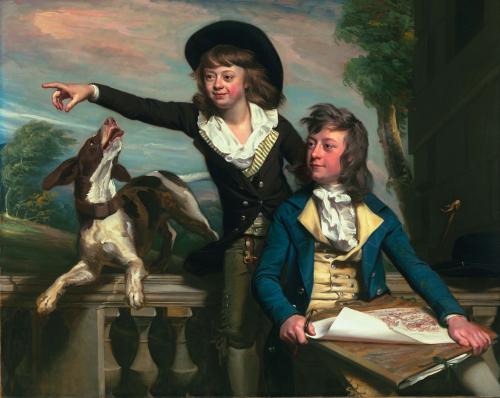

Shirley Western
British, 1768 - 1824
Upon coming of age in 1788, Charles Callis Western inherited extensive properties in Essex and Suffolk, but three years later he purchased Felix Hall in Kelvedon, Essex, and made it his principal residence. After rebuilding the house in neo-classical style, he filled it with Greek and Roman antiquities acquired (with advice from the sculptor John Gibson) during his travels on the continent, principally at Rome in 1825-26. Politically, Western was a Whig who served as member of parliament for Maldon (1790-1812) and Essex (1812-32). Outspoken in defense of agricultural interests, he was one of the leading promoters of the Corn Bill in 1815. On January 28, 1833 he was created Baron Western of Rivenhall. He thereafter retired from public life in order to pursue practical experiments in farming, such as improving the breed of sheep. He never married and died at Felix Hall on November 4, 1844, whereupon the Western peerage became extinct.
Person TypeIndividual
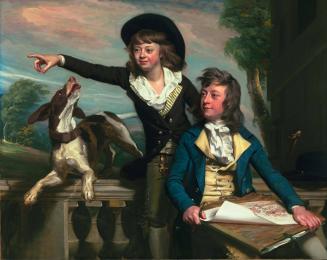
British, 1767 - 1833
Alternative Names: Charles Callis Western, later Baron Western of Rivenhall
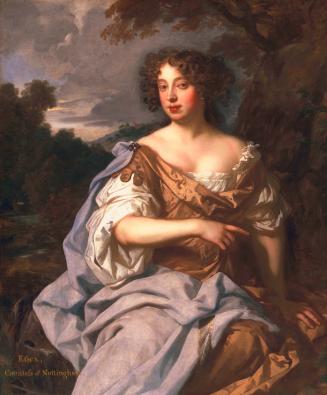
British, 1652 - 1684
Alternative Names: Lady Essex (Rich) Finch, later Countess of Nottingham
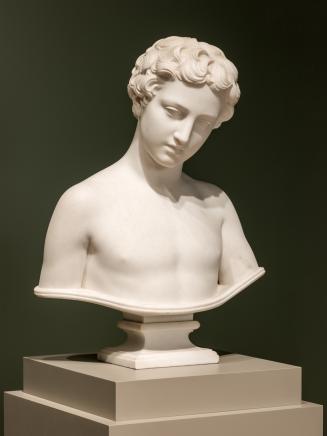
American, 1805 - 1873
Alternative Names: Hiram Powers

Japanese-American, 1878 - 1947
Alternative Names: Dr. Kyo Koike
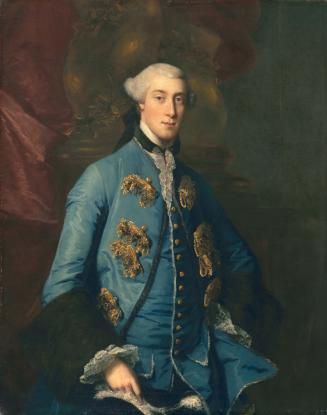
British, 1728 - 1789
Alternative Names: Francis Hastings, Earl of Huntingdon
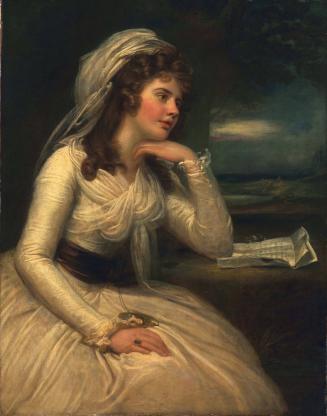
British, 1773 - 1822
Alternative Names: Margaret Cocks, later Margaret Smith
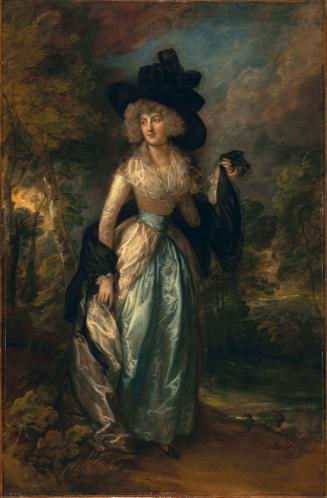
British, 1769 - 1833
Alternative Names: Juliana (Howard), Baroness Petre
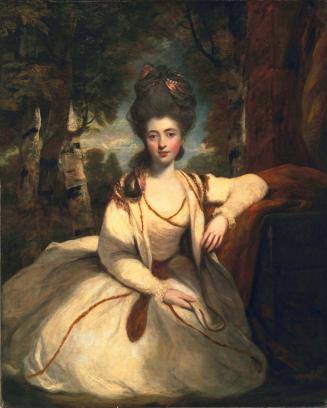
British, 1760 - 1829
Alternative Names: Frances Molesworth, later Marchioness Camden
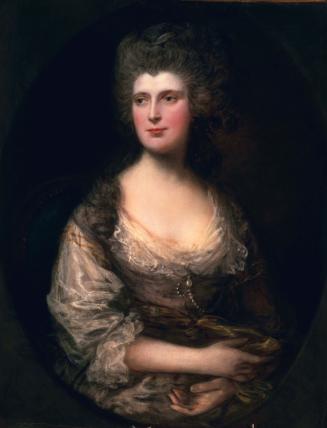
British, 1758 - 1838
Alternative Names: Anne Batson
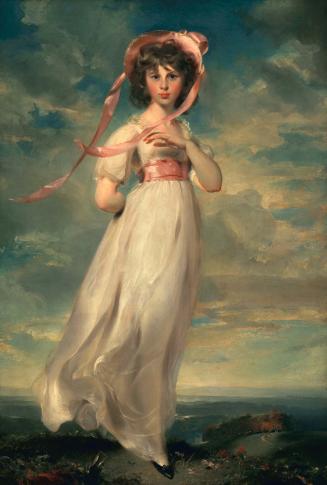
British, 1783 - 1795
Alternative Names: Sarah Goodin Barrett Moulton
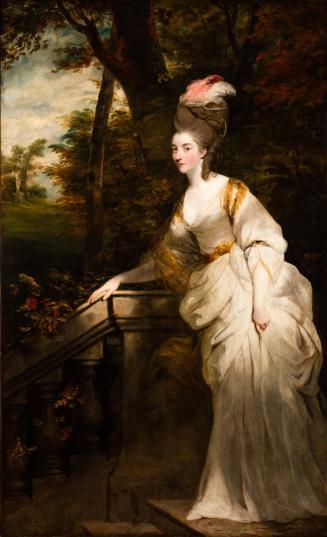
British, 1757 - 1806
Alternative Names: Georgiana (Spencer) Cavendish, Duchess of Devonshire
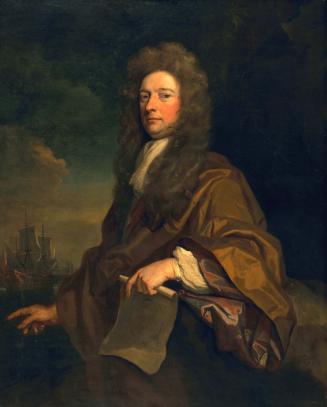
British, 1643 - 1712
Alternative Names: William Robinson, later Sir William Robinson Knt.